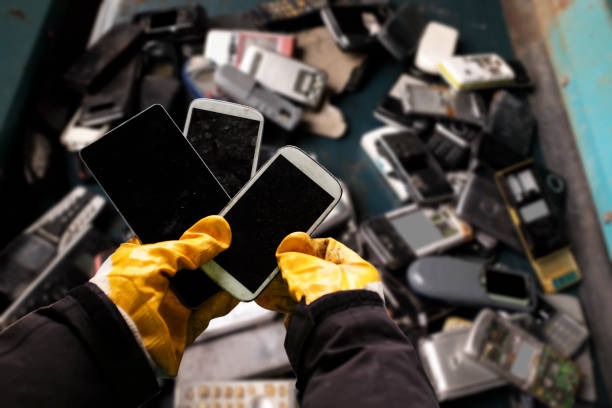
E-waste recycling in Singapore has garnered increasing attention as the city-state grapples with the mounting challenge of electronic waste. This burgeoning issue arises from rapid technological advancements and a consumer culture that frequently upgrades to the latest gadgets. As electronic devices become obsolete, they contribute significantly to e-waste, posing environmental and health risks if not disposed of properly.
Singapore’s approach to tackling e-waste is multifaceted, involving government initiatives, private sector participation, and public awareness campaigns. The National Environment Agency (NEA) leads efforts by implementing regulations and guidelines for safe disposal methods. One significant initiative is the Extended Producer Responsibility (EPR) scheme introduced in 2021. Under this program, producers are responsible for collecting and recycling end-of-life products, ensuring environmentally sound management of e-waste.
Recycling centers across Singapore play a crucial role in facilitating safe disposal methods. These centers are equipped to handle various types of e-waste, including computers, mobile phones, televisions, and household appliances. By breaking down these items into their constituent materials—such as metals, plastics, and glass—they can be repurposed or safely discarded without harming the environment.
Public education campaigns are essential in promoting responsible e-waste disposal among consumers. Awareness programs emphasize the importance of not discarding electronics with regular trash due to hazardous https://www.advance-recycling.com/e-waste-recycling-in-singapore substances like lead and mercury found in many devices. Instead, individuals are encouraged to drop off their old electronics at designated collection points or participate in take-back schemes offered by retailers.
The involvement of private companies further enhances Singapore’s e-waste management strategy. Many businesses have established partnerships with certified recyclers who adhere to stringent environmental standards when processing electronic waste. These collaborations ensure that valuable materials are recovered efficiently while minimizing ecological impact.
Technological innovation also plays a pivotal role in improving recycling processes within Singapore’s e-waste sector. Advanced techniques such as automated sorting systems enhance efficiency by accurately separating different components for recycling or disposal. Additionally, research into sustainable material recovery continues to evolve, offering promising solutions for reducing reliance on virgin resources.
Despite these efforts, challenges remain in achieving comprehensive e-waste management across all sectors of society. Continuous engagement with stakeholders—including manufacturers—and fostering a culture of sustainability among consumers is vital for long-term success.
In conclusion, addressing the issue of e-waste recycling in Singapore requires a concerted effort from government agencies, businesses, and individuals alike. Through effective regulation enforcement combined with public education initiatives and innovative technologies; it is possible to mitigate environmental risks associated with improper disposal while maximizing resource recovery opportunities within this dynamic urban landscape.